October 30, 2026


You notice it before you can name it. A woman in a housecoat crosses the cobbles to greet the butcher. A man leans his bicycle against the same wall he has leaned it against for thirty years. Two teenagers share one chair outside a bar. From a distance, a piazza looks like architecture. Up close, it behaves like a living room with the door left open.
Learning to read that room takes an afternoon, not a degree. You don't need fluent Italian and you certainly don't need a guidebook. You need to notice three things: what time it is, where people are sitting, and who is moving. Get those right and the square starts explaining the town to you.
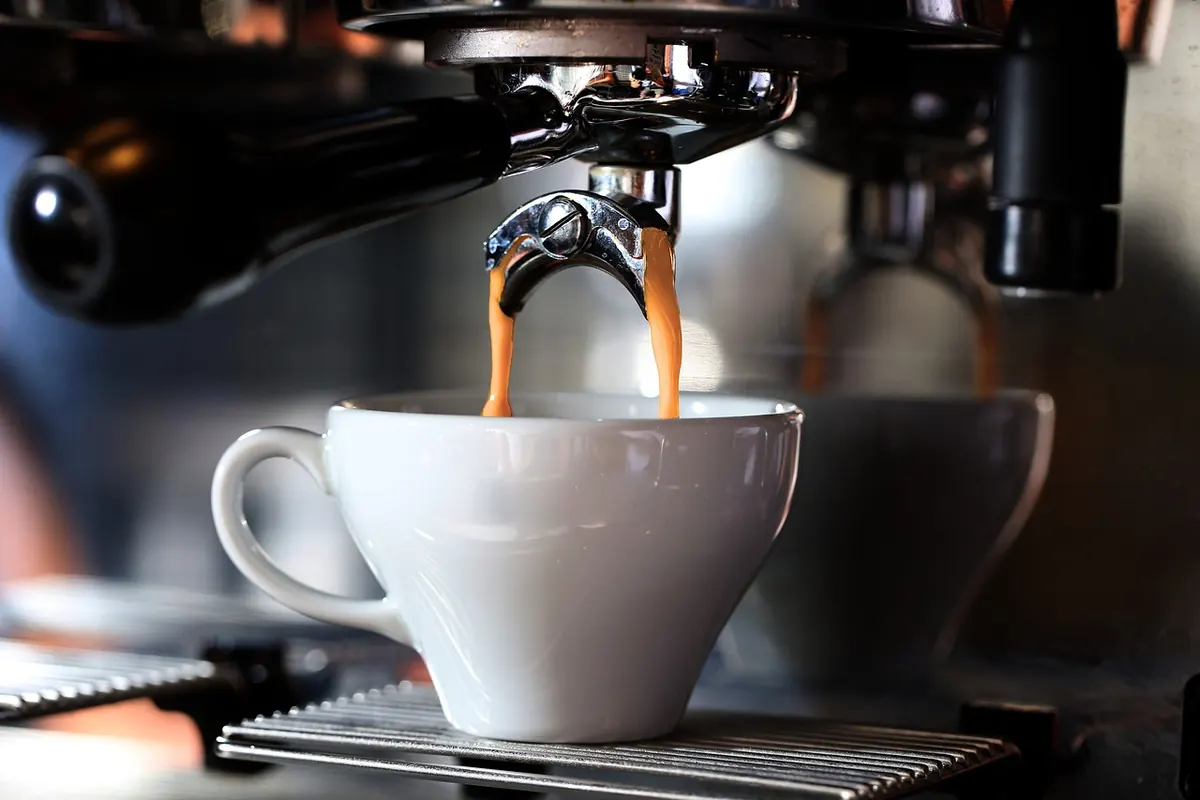
A piazza has a schedule the way a kitchen has one, and the mood changes faster than the light does. Between seven and nine in the morning it belongs to people on their way to work: fast espressos at the bar, a brioche eaten standing, greetings exchanged in a hurry at the door. Nobody lingers. If you want to see the town at its most efficient, this is the hour.
Mid-morning, the rhythm loosens. Deliveries stack up outside the alimentari, an older man reads the newspaper with the pages folded into a neat rectangle, and someone stops to talk about a roof that needs fixing. Then, particularly in smaller towns, the square goes quiet around one o'clock. Shutters come down, the bar half-empties, and the cobbles give off heat. This is not a sign that the town is closed to you. It is a sign that you should be eating lunch.
Late afternoon brings the square back to life, and early evening delivers the real performance, which is covered below. After dinner, the cast changes again: young people in groups, older men taking a slow circuit, families buying gelato. Sit in the same spot at three different hours and you will think you have visited three different squares. In a sense, you have.
Where an Italian sits in a cafe says something about why they came. The tables outside, facing the square, are for seeing and being seen, and they come with a higher price than the counter inside. This is not a tourist trap; it is a normal two-tier system, often printed on the menu. You are paying for the chair, the view and the waiter's time.
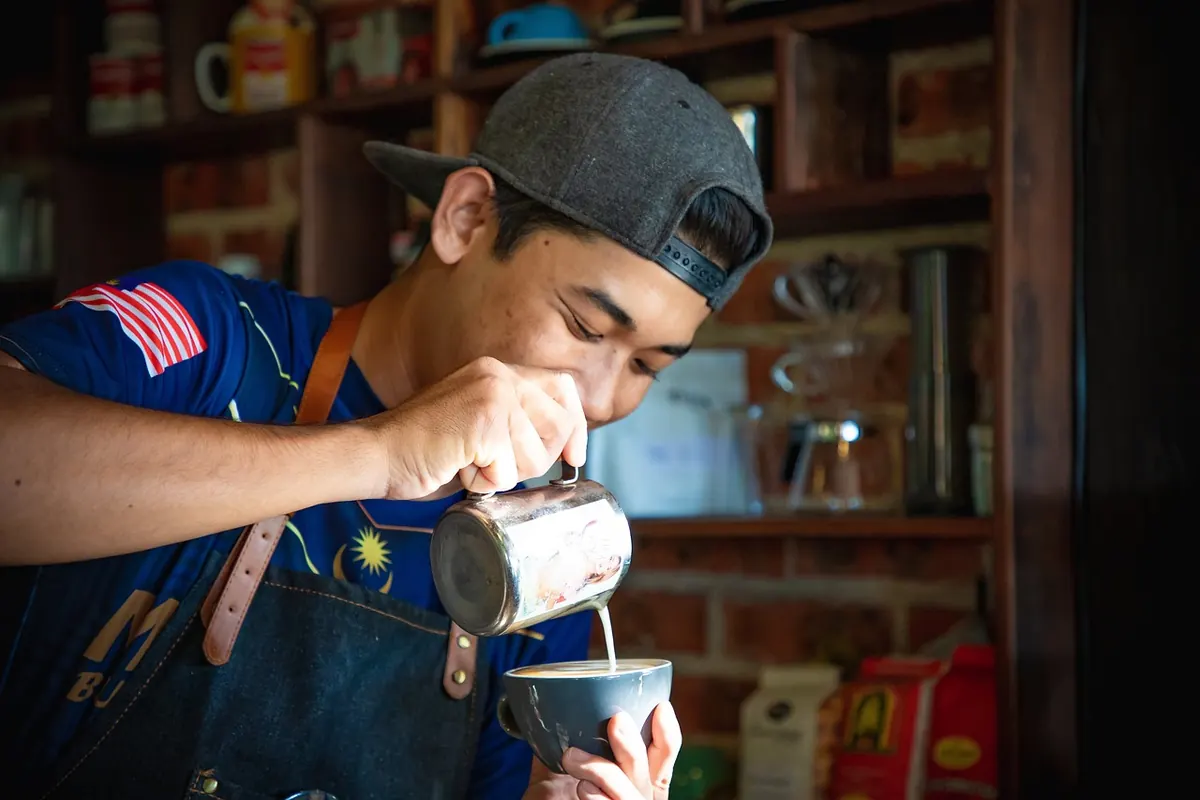
The counter, the banco, is a different institution. People stand, drink in two minutes, exchange a remark with the barista and leave. It is cheaper, faster and more sociable in a clipped sort of way. If you want to understand the town's small talk, stand there at eight in the morning with a coffee and listen. You will hear more about local life in ten minutes than in an hour at a table.
One more thing worth knowing: the waiter's pace is information. If he is slow to bring the bill, that is not neglect. You are not being rushed, and you should not rush. Ask when you are ready to leave, not before.
The passeggiata is the square's main event, roughly between six and eight, later in summer. It is not a march and it is not exercise. People walk a loop, usually the same loop, often more than once, stopping to talk, then walking on. You will see the same faces pass you twice. That is the point: the walk is a way of checking in with the town.
People dress slightly better than they did all day. Children run ahead. Couples walk close. Teenagers cluster at the edges, pretending not to be watching everyone, which is exactly what they are doing.
If you join in, walk one full circuit before you stop anywhere. Move with the flow rather than against it, and if you want to talk, step to the side rather than standing in the middle of the route. Then sit down somewhere with a view and let the parade come to you.
Corners and edges are claimed territory, and they are claimed quietly. The benches in deep shade belong to the older residents, especially in summer, when shade is the square's most valuable currency. Church steps are often teenage ground. The rim of a fountain is for children and for anyone resting a shopping bag. In front of the bar, the doorway belongs to the owner, who will stand there half in and half out for most of the day.
Watch for five minutes before you sit anywhere that feels contested. Nobody will ask you to move, but you will notice the slight pause, the exchanged glance, the person who chooses a different bench. If the square is busy and a bench is full of regulars, take the empty one at the end of the row rather than the middle.
Look up from the chairs for a moment. The arcade or loggia on one side exists to keep people dry and shaded, which means commerce and conversation happen there in every weather. The biggest doorway usually belongs to the church or the town hall, and sometimes they face each other, which tells you something about how the town has thought about power over the centuries. Plaques on the walls, flowers left on a step, a flag on a balcony: these are the square's public memory, and they explain why some corners feel solemn and others don't.
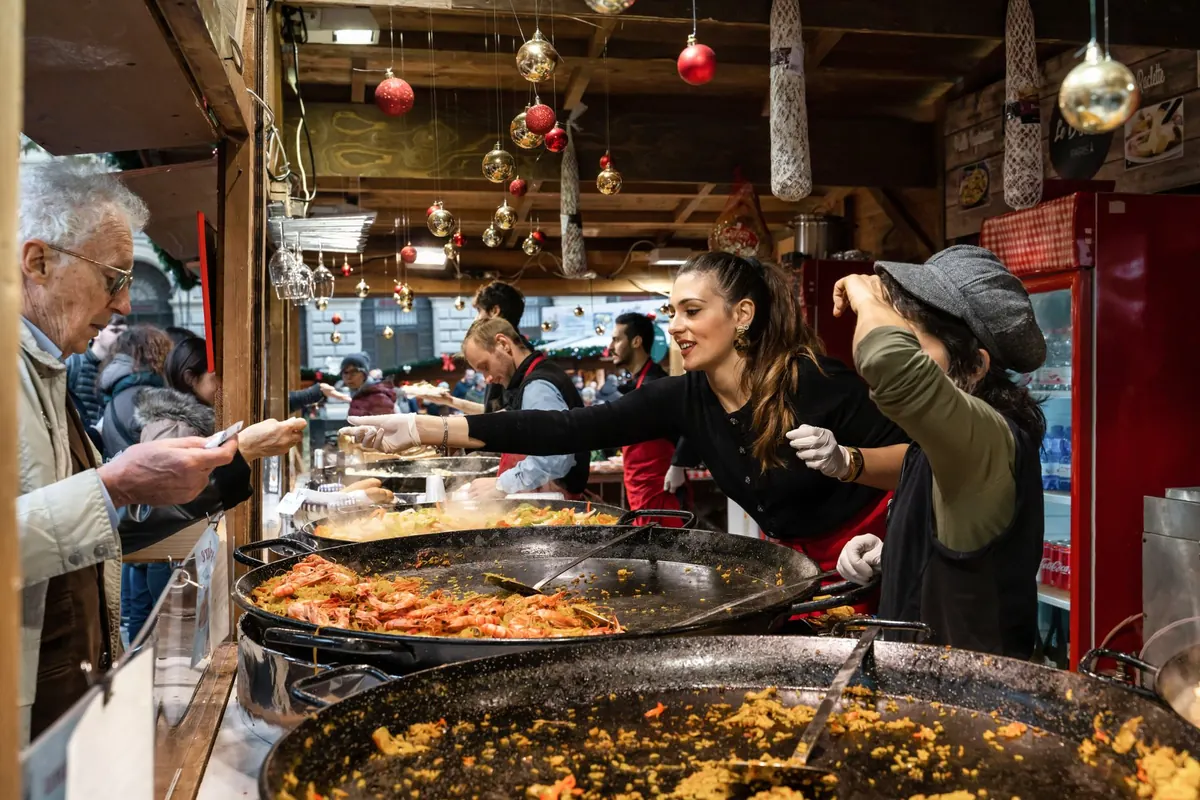
If there is a market day, come back for it. The same space packed with stalls tells you what the town grows, cooks and argues about.
If you only have one afternoon, spend it like this.
The square rewards the second visit. Come back the next day at a different hour, sit in a different place, and the same town will look different. That is not a trick of the light. It is simply how the place works: a piazza is not a monument you look at, but a room you are allowed to sit in, provided you notice what is already going on.
Photo: 13027327 / Pixabay
Daily style, beauty, and life inspiration..
Copyright © 2026 Ambra Oggi. All rights reserved. Ambra Oggi.