October 30, 2026



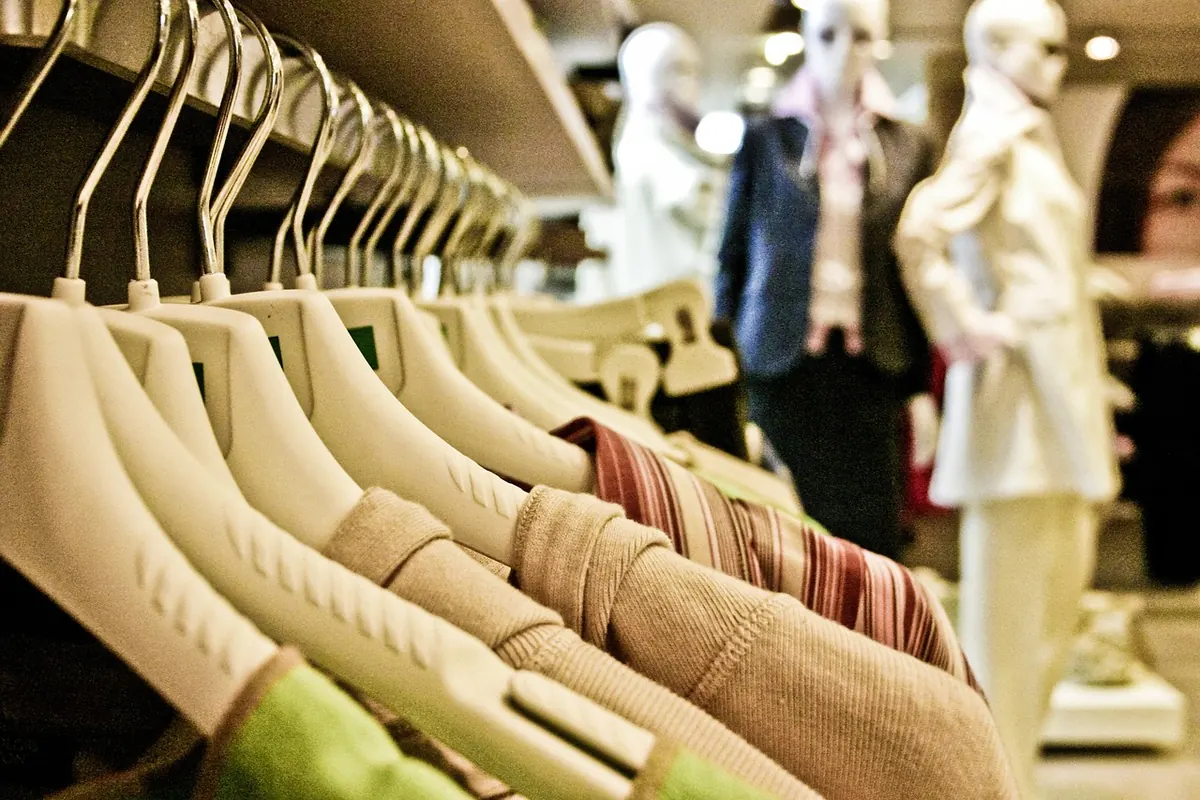
A Mediterranean winter is not one season. It's three or four stacked into a single day. You leave the flat at eight in a damp chill, eat lunch outside in a thin knit, and get caught in a fifteen-minute downpour on the walk home. Building a capsule for this weather isn't about hitting a tidy number of hangers. It's about reaching into the wardrobe at seven in the morning and pulling out something that still makes sense at two in the afternoon.
Before you decide what to keep, spend a week noticing what your winters actually do. Coastal cities and hill towns behave differently, and a north-facing flat with single glazing is a different climate from a top-floor one that gets sun all afternoon. Plenty of people in the Mediterranean belt dress for a season they've imported from somewhere else — heavy coats, thick scarves, boots built for snow — then sweat through the afternoon in them.
The useful habit is to dress for the warmest hour and carry the coldest. Check the hourly forecast rather than the daily high. If the morning sits at nine degrees and the afternoon reaches sixteen, you want a base layer that feels right at sixteen and a middle layer you can take off and fold over your arm without ruining the line of what you're wearing. That single shift in thinking does more than any shopping list.
Every outfit in a mild-winter capsule fills three slots. Get the fabrics right once and the combinations take care of themselves.
The test is simple: remove any one layer and the outfit should still look like an outfit. If taking off the middle layer leaves you in something you'd only wear to bed, or if the shell is so heavy you can't carry it, the formula has failed and you'll spend the day either sweating or shivering. Order matters less than material — cotton next to skin, wool for warmth without bulk, a synthetic or waxed shell against the rain.
A workable mild-winter capsule for one person comes to roughly twenty to thirty pieces including shoes, which is small enough to see all at once. The exact numbers matter less than the ratio: plenty of thin layers, very few heavy ones.
Then trim. If a piece hasn't left the wardrobe in three weeks of real winter, it isn't a capsule piece — it's storage.
Pick three or four colours that all sit together — navy, charcoal, ecru, camel, olive, denim blue — and one accent you actually love. Then spend your variety on texture instead: a ribbed knit against smooth cotton, a brushed wool trouser against a crisp shirt, suede against denim. You get interest without the risk of combinations that fight each other at seven in the morning.
Skip the heavy coatings. A thick wool coat is lovely in a northern city in January and unbearable in a southern one the same week. If you want something tailored, choose an unlined blazer or a wool-blend chore jacket that layers over a knit and under a shell.
Be honest about fabric quality, too. Thin acrylic knits trap heat and hold smells; a mid-weight merino does the same job with more comfort and fewer washes. Cotton that dries quickly is worth more than cotton that's merely thick. These pieces sit against your skin and will be washed often, so buy fewer and expect them to work hard.
Rain in a mild winter is rarely dramatic. It's a squall that lasts twenty minutes and leaves the pavements slick for two hours. Plan for damp shoulders and wet feet, not for a storm.
A packable shell and a small umbrella cover most days. Choose shoes you can walk in when the street is wet — smooth leather with a rubber sole, a boot with decent tread — and leave suede at home when the forecast is uncertain. A bag that closes properly is worth more than one that looks good hanging open.
Fabrics decide how the rest of the day goes. Heavy cotton trousers stay damp and cold against the leg; a wool blend or a quick-drying synthetic recovers in the time it takes to drink a coffee. Hang a wet coat somewhere with air moving through it, not in a closed closet, and give your shoes a night to dry before they go back on.
Keep the current season's pieces at the front of the rail and the rest stored elsewhere, so you're choosing from eight or ten options rather than forty. On Sunday, pull out the five or six pieces you plan to wear that week and hang them together. It takes four minutes and removes the daily search.
Wash less than you think. Air knits overnight, spot-clean, and save the machine for base layers and shirts, where the actual wear happens. Keep a second pair of shoes by the door during wet spells. And keep a small repair kit — a needle, dark thread, spare buttons, a suede brush — because two minutes with a needle rescues pieces you'd otherwise quietly stop wearing.
Empty the rail onto the bed one evening this week. Put back only what fits the three-layer formula and sits inside your palette, and be strict about the rest: anything that only works in one temperature is not built for this climate. You'll usually find that two gaps remain — often a light water-resistant shell and one decent mid layer — and that's all you need to buy.
Do it before the first proper rain, while the shops still have thin knits and the mornings are only cool. A small wardrobe that handles a changeable day is not a style statement. It's simply the reason you stop standing in front of the closet at seven, waiting for the weather to make up its mind.
Photo: markusspiske / Pixabay

Daily style, beauty, and life inspiration..
Copyright © 2026 Ambra Oggi. All rights reserved. Ambra Oggi.